
ADHD and Transitions: Why Change Can Be Hard
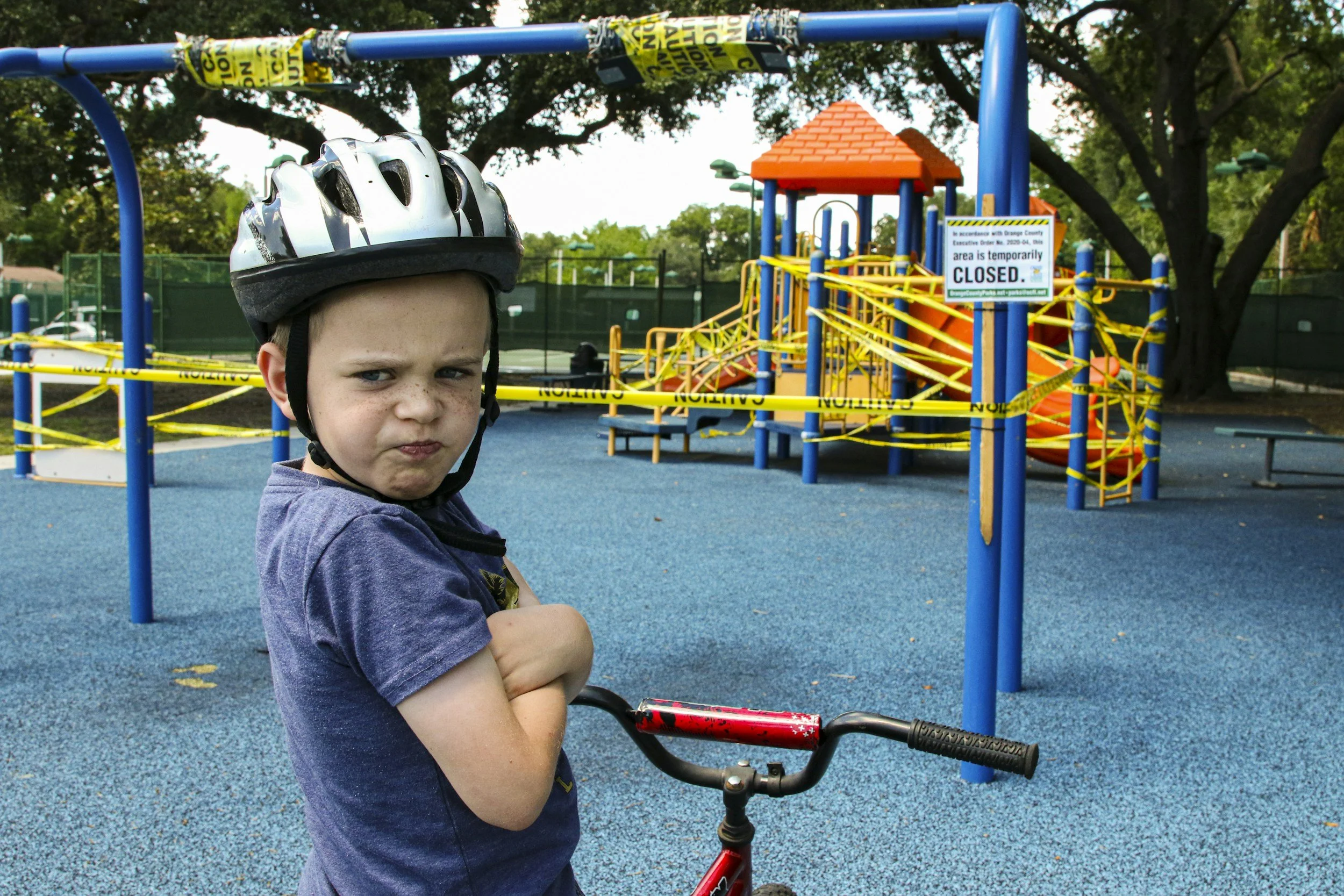
You might hear your child often protesting and saying things like, “I don’t want to go,” “I hate that class,” “ You can’t make me,” which can quickly turn into tears, meltdowns, verbal battles, or negotiations. I want to pause here and gently remind you, it’s not your faulty parenting style, it’s not about being defiant, and it’s not about your child hating the activity or place they are resisting. It’s simply their nervous system having a hard time making the switch.
Kids with ADHD feel the world intensely. They can be loving, curious, and full of heart but that richness comes with its own kind of challenge. One of the hardest challenge is when they’re fully engrossed in something and then have to stop and switch to something else.
An ADHD brain uses a great deal of energy to focus. When a child is fully absorbed in an activity, the nervous system organizes around that task. Pulling away takes effort, and the brain is not always able to reorient quickly to what comes next. This is why transitions can feel so difficult.
One of the most supportive ways to help an ADHD nervous system through transitions is preparation, which is why predictable routines matter so much. When your child is absorbed in play, offer gentle, consistent time cues: five minutes, then two minutes, then one minute. At the two-minute mark, invite your child to say it out loud: “I have two minutes left.” This helps the brain begin to disengage before the body is asked to move.
Another gentle cue is using music. You might play a favorite song while they play, and let them know that when the music ends, it’s time to transition. This gives the brain a soft, predictable signal and can make moving on feel less abrupt.
Another deeply supportive tool is creating a transition ritual. Small, consistent moments can make a big difference. For example:
Each time your child puts on their jacket, offer a hug.
Right before leaving the door, let them touch a soft stuffed animal, scarf, or other comforting object nearby.
When they sit in the car, give a kiss on the forehead.
Take some calm breaths together, or let them choose a favorite breathing pattern.
Use a short song, counting, or other small ritual to cue the transition.
What matters just as much is that you participate in the ritual too. These shared moments do more than ease the transition. They indicate that a switch is coming, help regulate through touch and breath, and create immediate connection. Over time, the brain begins to associate transitions with safety and not stress.
An ADHD nervous system naturally seeks continuity. Moving from one state to another takes more time and support. This is not a parenting failure, and it is not about the activity itself. It is simply how the nervous system is wired.
Which small ritual or cue might help your child’s next transition feel calmer?
